

Before you begin: This guide is for general preparation and conversation support. It is not medical advice and cannot account for your circumstances.
A number is not the whole story
A result may describe a measurement at one moment, an average, a ratio, or a range. Before assigning meaning to it, ask what was measured, why it was measured, and whether the value is a single reading or part of a pattern.
Avoid comparing numbers from different devices, laboratories, units, or circumstances as though they are interchangeable. Collection method, timing, recent activity, equipment, and other context can affect interpretation.
Ask about the reference point
Ask what reference range or decision threshold is being used and whether it applies to your age, history, medicines, pregnancy status, or other circumstances. A flag on a portal is not always a diagnosis, and an unflagged result is not always a complete assessment.
If a result changed, ask how large the change is, whether repeat measurement is useful, and what other information the professional considers alongside it.
Bring the measurement context
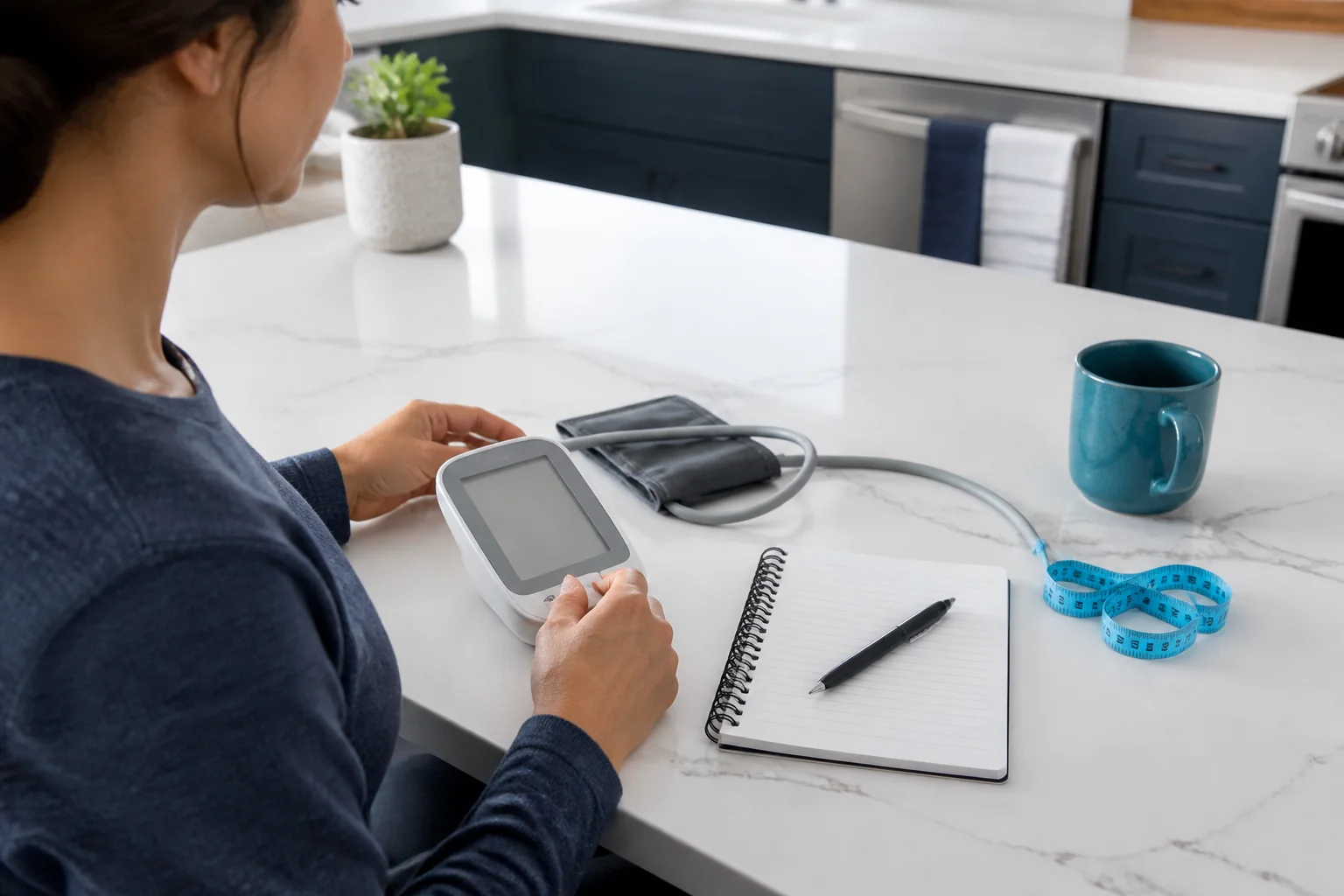
For home measurements, record the device, date and time, preparation, position, and anything unusual. Do not change a plan because of one reading unless you have already been given specific instructions for that situation.
Bring the device or a photo of its label when a professional wants to check the model, cuff, settings, or technique. Ask how often to measure and what pattern is useful rather than collecting numbers continuously without a purpose.
Leave with an interpretation plan
Ask what the number means in context, what—if anything—needs to happen next, and when it should be checked again. Confirm which changes require ordinary follow-up and which require more urgent contact.
General ranges found online cannot account for individual circumstances. Use them to understand vocabulary, not to diagnose yourself or override instructions from qualified care.
A useful question makes room for context, uncertainty, and a clear next step.
Further reading
MedlinePlus: Talking With Your Doctor (accessed August 14, 2026).