
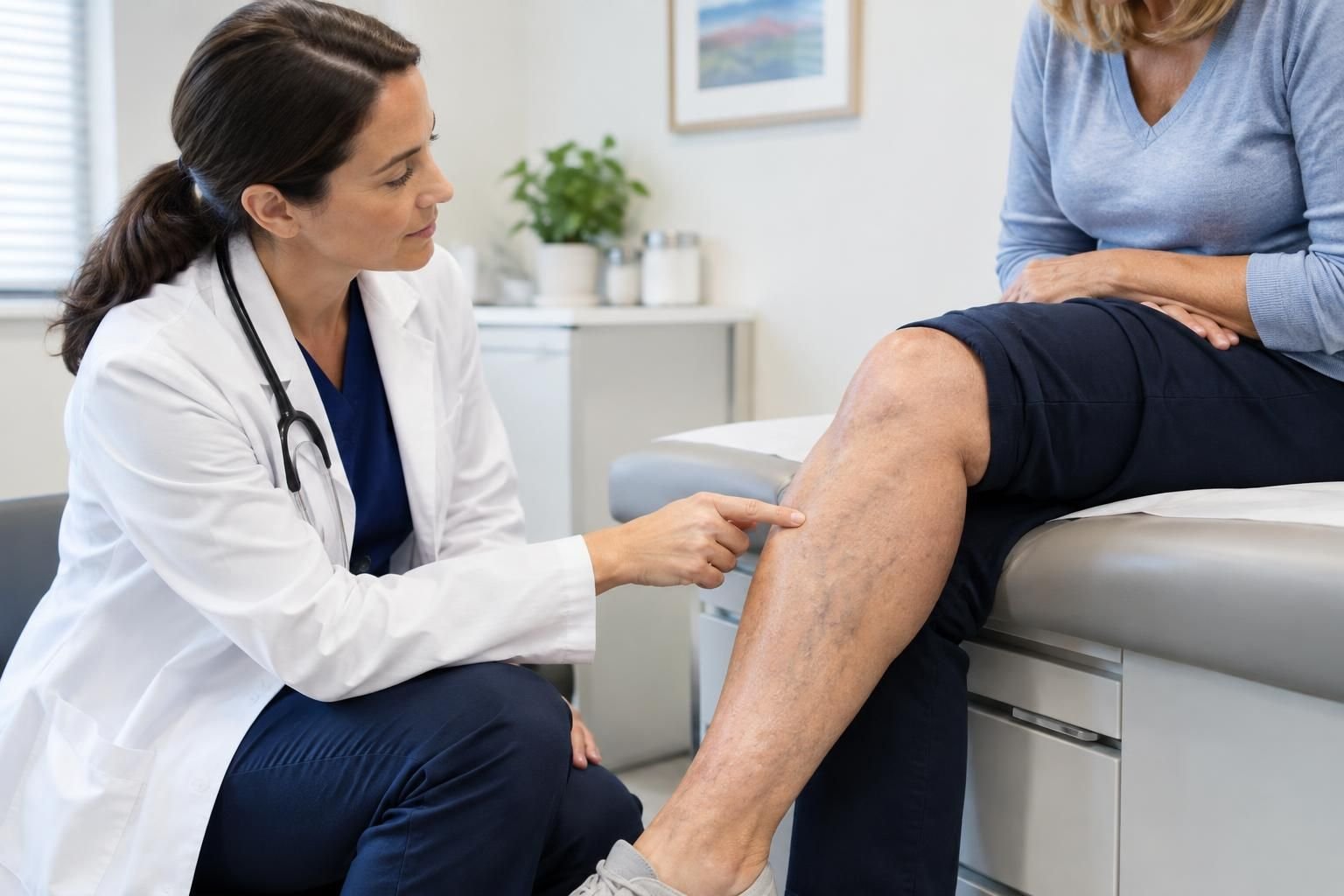
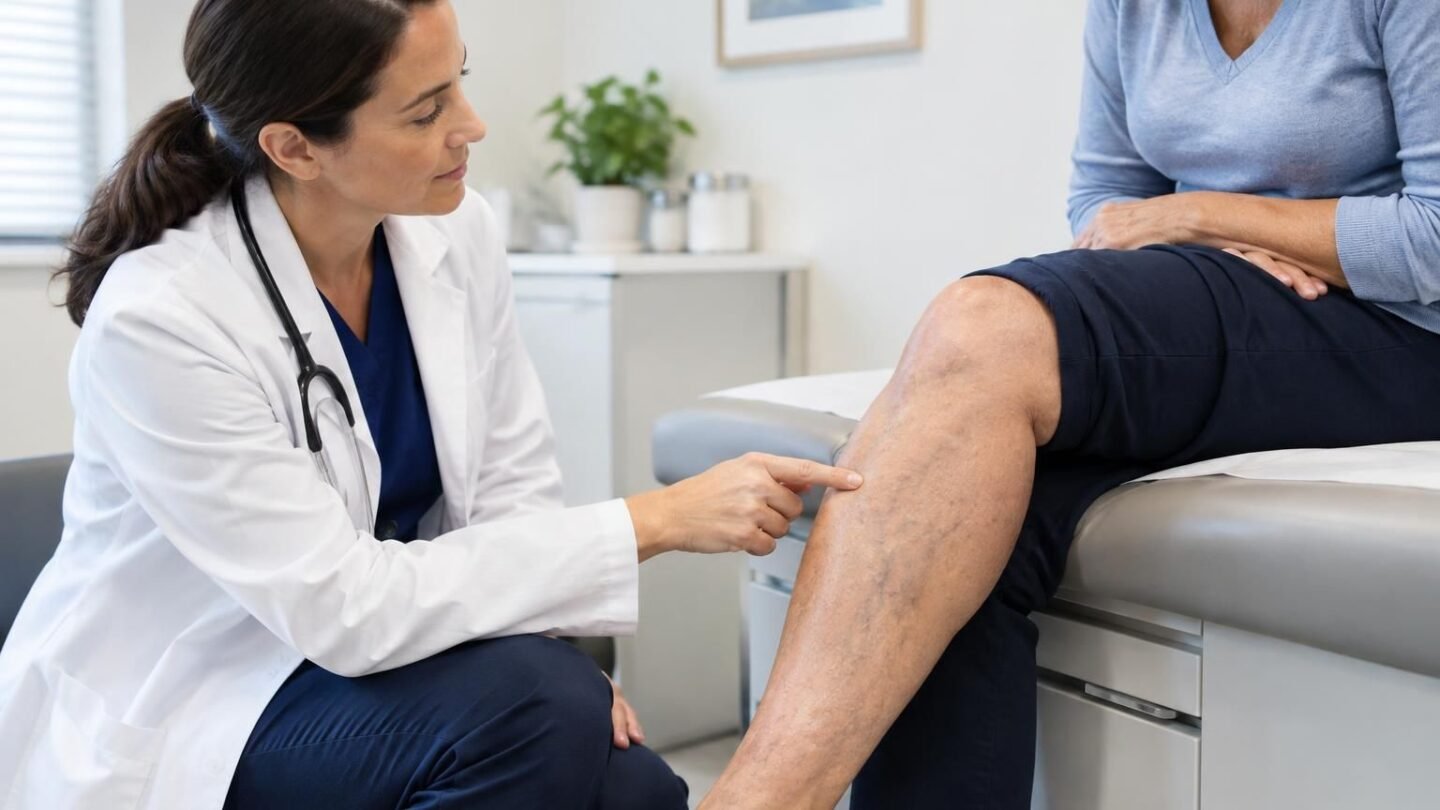
Vein disease usually can’t be fully reversed, because stretched veins and damaged valves don’t reliably heal back to normal. But symptoms often can improve, and treatment can slow chronic venous insufficiency by reducing reflux, swelling, and leg pressure. Reflux means blood leaks backward in a vein instead of moving steadily up toward the heart.
If your legs feel heavy and puffy after long shifts, compression stockings, walking, calf raises, and elevation may control early symptoms. If you have varicose veins, skin discoloration, worsening edema, or an ulcer, you’ll need a medical exam, often with duplex ultrasound.
What Vein Disease Means and Why it Happens
Vein disease usually refers to problems with the leg veins that make it harder for blood to return to the heart. In venous insufficiency, tiny one-way valves inside the veins weaken or stop closing well. Blood then falls backward between heartbeats, a pattern called venous reflux.
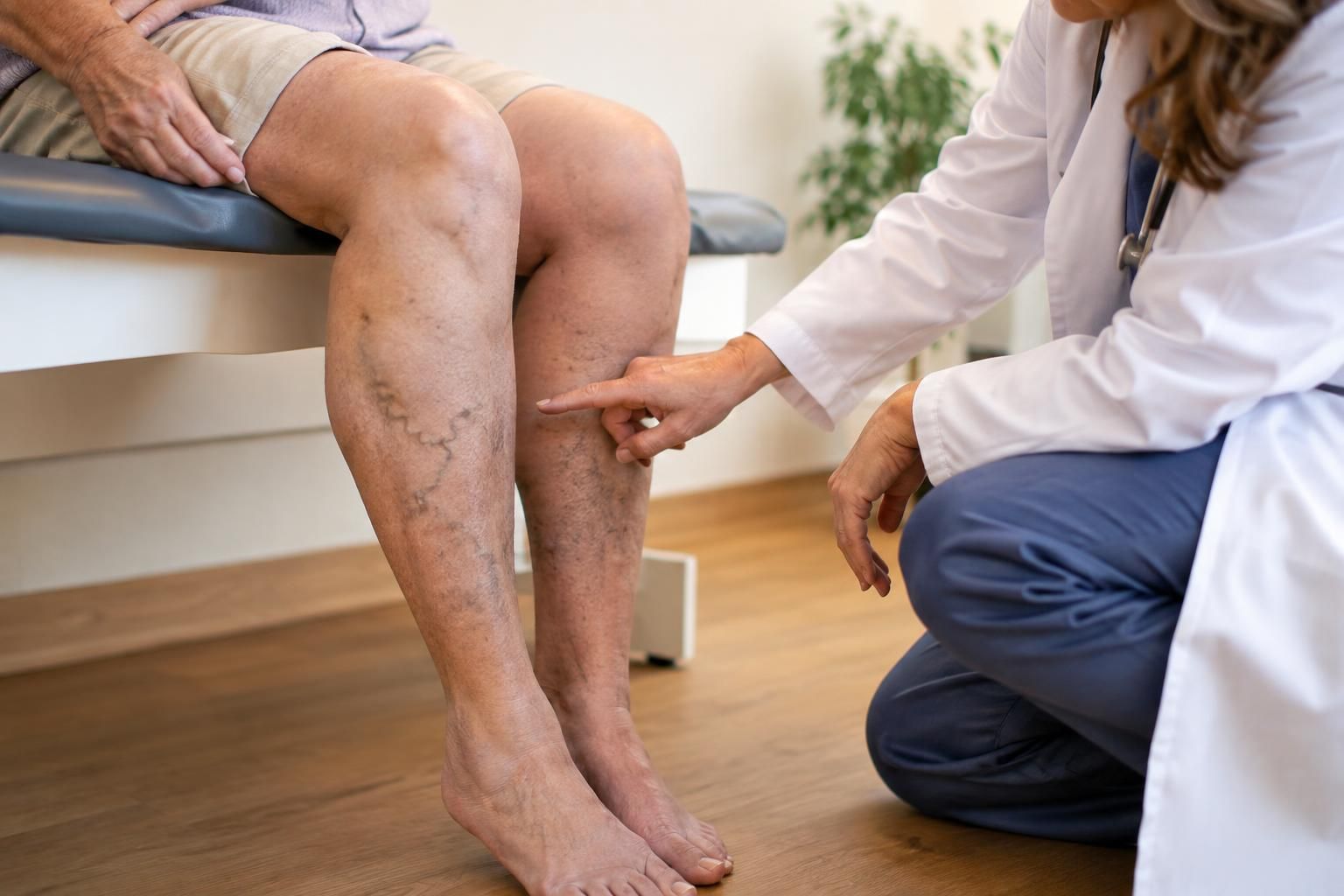
Over time, that extra pressure can stretch surface veins, causing spider veins or varicose veins. When the pressure and pooling become long-term, it’s called chronic venous insufficiency. Deeper veins can be involved too, especially after a blood clot or deep vein thrombosis.
Common drivers include family history, pregnancy, obesity, smoking, standing for long periods, and anything that weakens the calf muscle pump. The calf muscle pump is the squeezing action your calf muscles create when you walk; it helps push blood upward from the legs. When it underperforms, blood can sit in the legs, causing swelling, pressure, and irritation.
Can Vein Disease Be Reversed?
Damaged vein valves generally don’t reset once they’ve stretched or started leaking, so chronic venous insufficiency usually isn’t reversible in the structural sense. But symptoms can improve a lot: less heaviness, swelling, aching, and inflammation when pressure in the veins is reduced.
|
What you want to change |
Can it improve? |
What usually helps |
|---|---|---|
|
Leg heaviness or edema |
Often, sometimes quickly |
Compression, walking, elevation |
|
Visible varicose veins |
Treatable, not self-repairing |
Ablation, sclerotherapy, phlebectomy |
|
Damaged valves or reflux |
Managed, not restored |
Closing problem veins, improving flow |
|
Skin discoloration or ulcer risk |
Can stabilize |
Specialist care, compression, wound care |
So if your legs feel normal after compression stockings or a procedure, that’s real progress. It’s symptom reversal and pressure control, not proof that the original valve damage has healed.
Signs, Symptoms, and Stages to Watch for
Vein disease often starts quietly: mild heaviness in the legs after standing, ankle swelling by evening, or aching that improves when you walk or elevate your legs. Spider veins and varicose veins can appear early, but visible veins don’t always match severity; some people have significant venous reflux with modest surface changes.
Doctors often describe stages with the CEAP classification, a simple scale that groups vein disease by what can be seen on the skin and whether ulcers are present.
-
C0-C1: no visible changes, or spider veins only
-
C2: varicose veins
-
C3: edema or persistent leg swelling
-
C4: skin discoloration, eczema-like irritation, or thickened skin from long-term pooling
-
C5-C6: healed or active venous ulcers
Progression isn’t automatic, but worsening swelling, brown ankle discoloration, inflammation, or a skin ulcer means home care alone probably isn’t enough.
How Doctors Diagnose Venous Insufficiency
Diagnosis starts with a focused exam: where swelling appears, whether varicose veins follow a surface vein pattern, what the skin looks like around the ankle, and whether symptoms improve with walking or leg elevation.
The key test is a duplex ultrasound, often called a venous duplex scan. It uses sound waves to show the vein and blood flow, so the clinician can see whether blood is moving the wrong way through damaged vein valves. That backward flow is venous reflux, and it’s what separates true venous insufficiency from simple tired legs.
A good scan checks both surface veins and deep veins. That matters because treatment for surface varicose veins is different if there’s deep vein thrombosis, old clot damage, or major reflux higher in the leg. Imaging also helps a vascular specialist decide whether compression therapy is enough or whether an office procedure makes sense.
Treatments That Improve Symptoms and Slow Progression
Compression and Lifestyle Changes
Compression therapy can reduce leg swelling, heaviness in the legs, and aching by helping blood move upward instead of pooling in the lower legs. Graduated compression stockings are tightest at the ankle and ease up toward the calf or thigh, which supports the calf muscle pump during walking.
Typical starting pressures vary by symptoms, anatomy, and clinician preference, but many people start with 15–20 mmHg or 20–30 mmHg stockings. The fit matters: stockings that roll, pinch, or leave deep grooves usually won’t work well.
Home care can help slow progression, especially in early venous insufficiency.
-
Walk daily to activate the calf muscle pump.
-
Elevate your legs above heart level for 15–30 minutes when swelling builds.
-
Avoid long, still periods of standing or sitting.
-
Use weight management and exercise to reduce pressure on leg veins.
-
Stop smoking if you smoke, because it worsens vascular inflammation and healing.
But home care has limits. If your ankles swell every evening despite correctly fitted compression, daily walking, and elevation, or if one leg is consistently worse than the other, a duplex ultrasound can check for significant venous reflux or deep vein problems.
Office-based Procedures
Office procedures treat problem surface veins so blood reroutes through healthier veins. They can improve symptoms and appearance, but they don’t “reset” damaged vein valves or guarantee vein disease won’t return elsewhere.
-
Sclerotherapy, often used for spider veins and smaller varicose veins.
-
Endovenous ablation, which seals refluxing veins using radiofrequency ablation or laser ablation.
-
Phlebectomy, where bulging surface varicose veins are removed through tiny skin openings.
For example, if you’ve got varicose veins plus ankle skin discoloration and a venous duplex scan confirms reflux, a vascular specialist may recommend ablation rather than stockings alone. Symptom improvement often happens over weeks, but timing varies by disease stage, vein size, and healing response.
What to Expect Long Term
You can live a long life with venous insufficiency, but it usually needs ongoing management rather than a one-time “fix.” The realistic goal is to reduce leg pain, edema, heaviness in the legs, and skin changes while lowering the chance of progression to venous ulcers.
After endovenous ablation, sclerotherapy, or phlebectomy, treated surface veins generally stay closed or removed, but new reflux can develop in other veins over time. That doesn’t mean treatment failed; it means your vein system is still prone to pressure and valve problems.
Long-term control usually comes from stacking habits: wearing compression stockings when recommended, walking to activate the calf muscle pump, using leg elevation after long standing, managing weight, and keeping follow-up visits. If skin discoloration, worsening swelling, or a skin ulcer appears, home care alone isn’t enough.
When to Seek Medical Care
See a primary care physician or vascular specialist if leg swelling, leg pain, heaviness in the legs, varicose veins, or skin discoloration keeps returning despite compression stockings, walking, leg elevation, and weight management. Home care can help mild venous insufficiency, but it cannot confirm venous reflux, deep vein involvement, or another cause without testing such as a duplex ultrasound.
-
Sudden one-sided swelling, warmth, redness, or calf pain, which can suggest a blood clot or deep vein thrombosis
-
New or worsening skin ulcer, drainage, bleeding, or signs of infection
-
Rapidly worsening edema or skin darkening around the ankle
-
Severe pain that doesn’t improve with elevation
-
Symptoms that interfere with work, sleep, or daily walking
Earlier evaluation gives you more options before venous disease becomes harder to manage.
Vein disease usually cannot be reversed by making stretched veins and leaky valves normal again, but symptoms can often improve and progression can slow. If symptoms persist, change, or limit daily life, schedule a visit with your primary care physician or a vascular specialist and ask whether a venous duplex ultrasound is appropriate.