
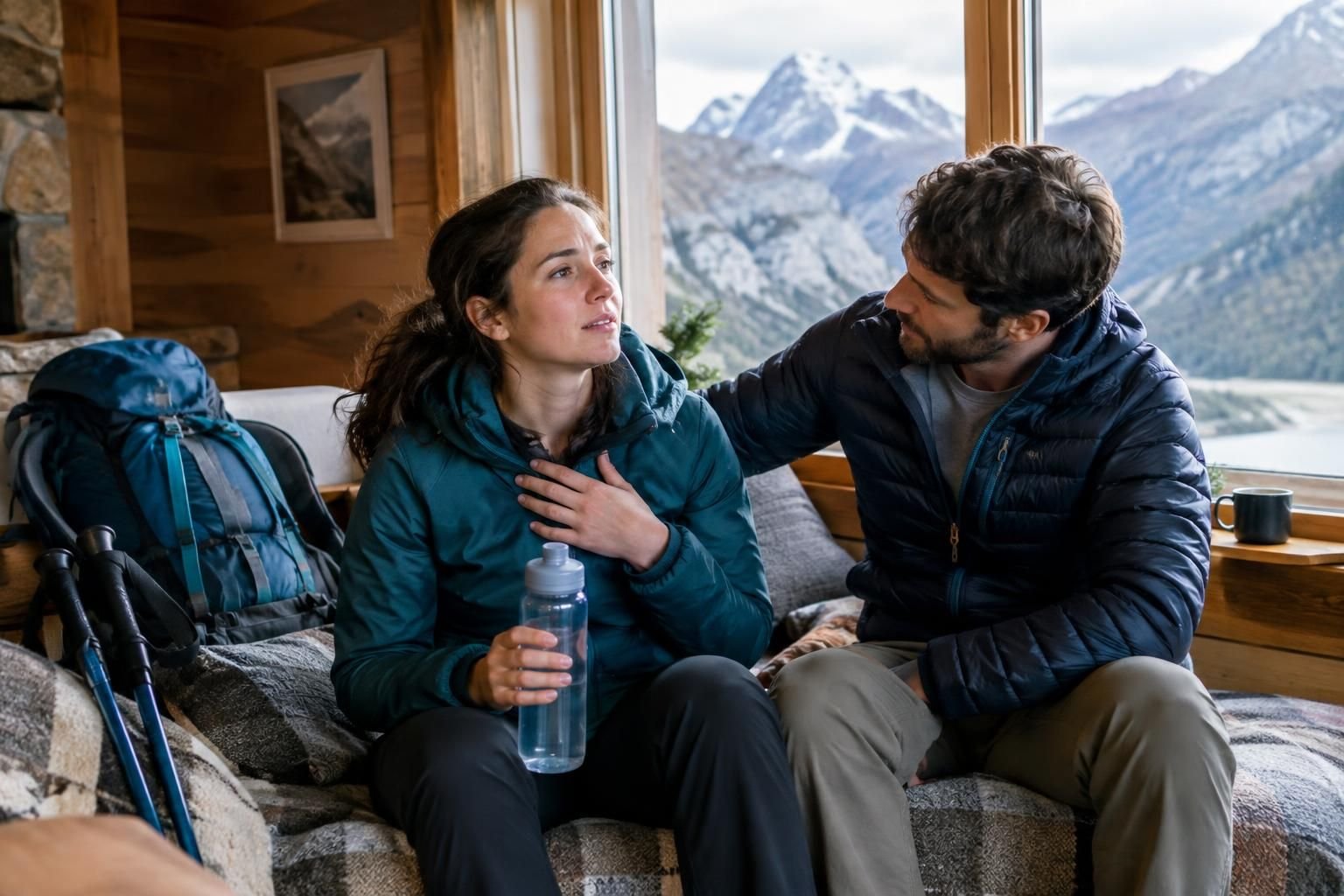
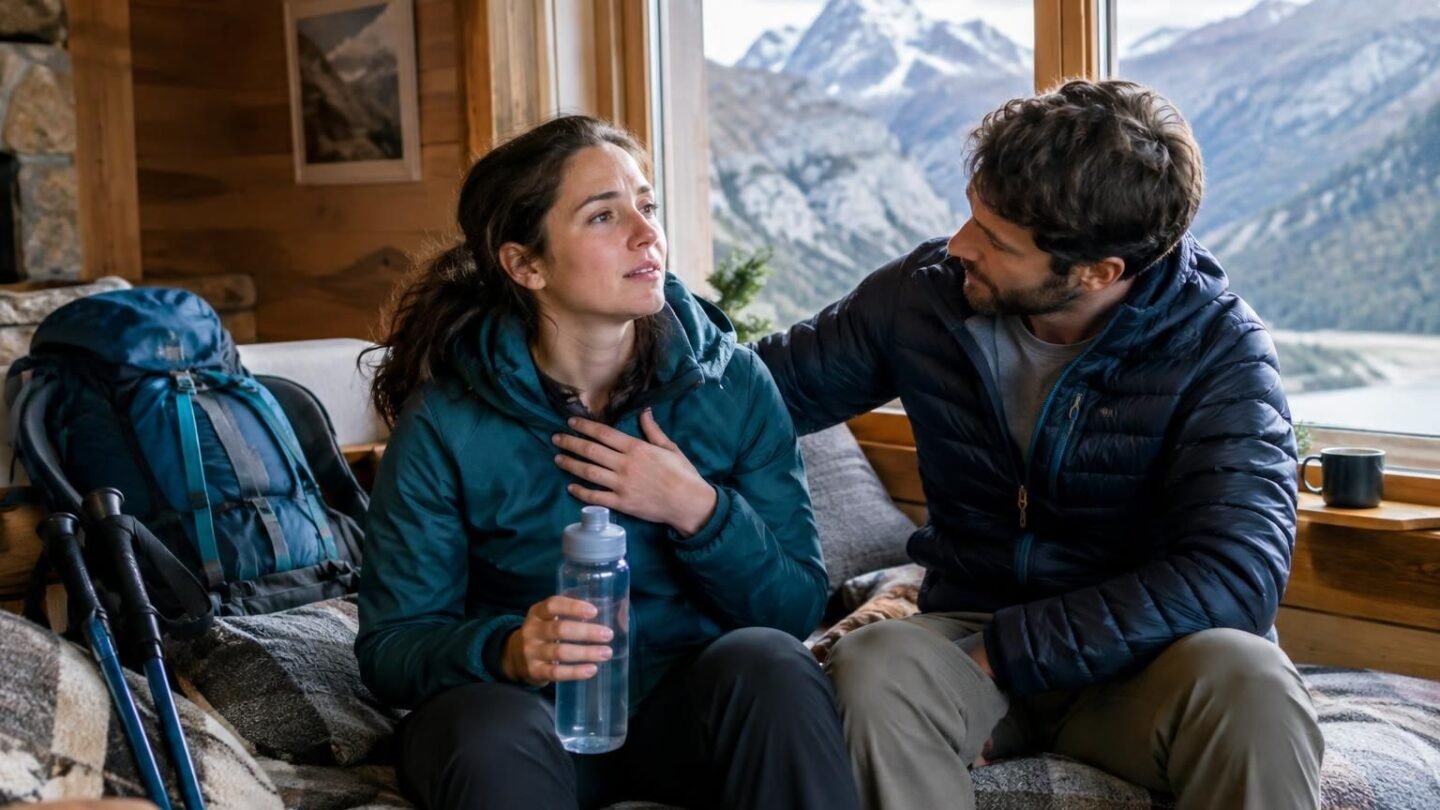
An oxygen bar may make mild altitude symptoms feel better for a short time, but it doesn’t treat or prevent altitude sickness. A 15- to 30-minute session of recreational oxygen might ease a headache or nausea while you’re sitting there, then symptoms can return once you’re back in thin air.
That’s very different from medical oxygen used in clinics, ambulances, or high-altitude rescue. Medical oxygen is controlled, monitored, and part of a broader plan that may include rest, medication, or descent.
So if you arrive in a mountain town with a mild headache, an oxygen bar isn’t the main fix. Your real decision is whether to rest and acclimatize, stop ascending, or descend if symptoms worsen.
What an Oxygen Bar is and How it Differs From Medical Oxygen
An oxygen bar is a recreational setup where you sit for a short session, often 15 to 30 minutes, and breathe oxygen through a nasal cannula. Many bars add scented “aroma” options, though those fragrances don’t add any altitude-sickness benefit and may irritate some people.
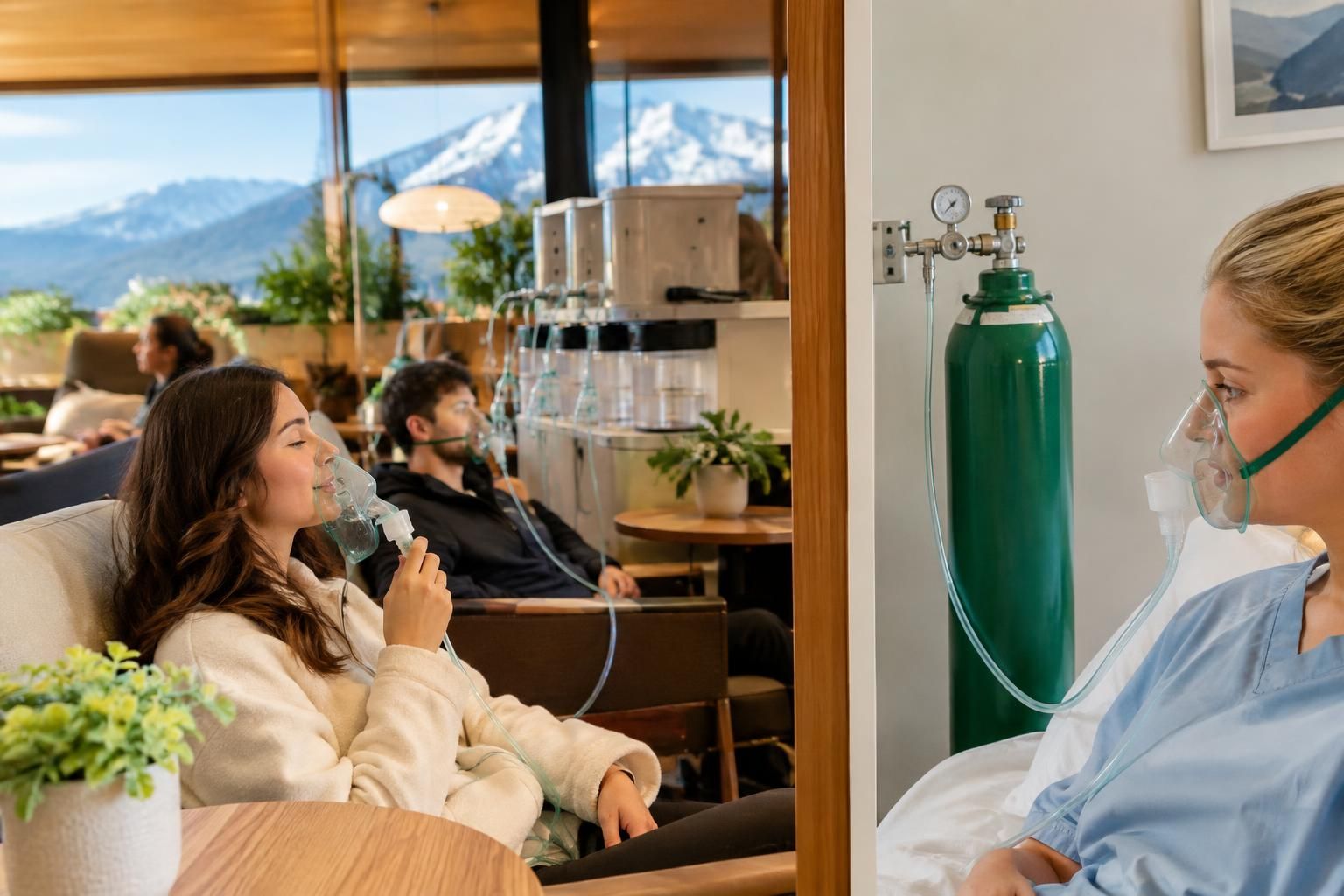
The key difference is control and purpose. An oxygen bar is a wellness service, not medical oxygen therapy. The oxygen concentration, flow rate, equipment cleaning practices, and staff training can vary by location. It’s not prescribed based on your oxygen saturation, symptoms, heart or lung history, or altitude exposure.
Medical oxygen is different. In a clinic, ambulance, ski patrol room, or high-altitude rescue setting, supplemental oxygen is given with monitoring and a treatment plan. That may include pulse oximetry, evaluation for acute mountain sickness, and decisions about descent, medication, or emergency care.
So an oxygen bar may feel refreshing, but it shouldn’t be treated like medical treatment.
Can an Oxygen Bar Relieve Altitude Sickness Symptoms?
What the Evidence Says About Short Oxygen Sessions
A short oxygen bar session can make some altitude symptoms feel better while you're breathing oxygen, especially mild headache, light nausea, or that “winded for no reason” feeling. That's plausible: acute mountain sickness happens when your body hasn't adjusted to lower oxygen pressure, so extra oxygen can briefly reduce the strain.
But evidence for oxygen bars specifically is thin. Altitude guidance from groups such as the Wilderness Medical Society and Centers for Disease Control and Prevention centers on acclimatization, descent, monitored supplemental oxygen, and medications when appropriate, not recreational 15- to 30-minute sessions.
| Situation | Oxygen bar likely effect | What matters more |
|---|---|---|
| Mild headache after arrival | May ease symptoms briefly | Rest, avoid further ascent, monitor |
| Nausea plus fatigue | Possible short relief | Don't treat it as resolved |
| Symptoms return after session | Common scenario | Stop ascending, consider descent |
| Confusion or worsening breathlessness | Not appropriate | Urgent descent or medical care |
If you're at a mountain resort with a mild headache and nausea, an oxygen bar might help you feel clearer for a little while. It doesn't prove you're acclimatized, and it doesn't make a higher hike safe.
Why Temporary Relief is Not the Same as Treatment
The issue is what happens after the cannula comes off. Acute mountain sickness can fluctuate; you may feel better during oxygen exposure, then feel worse again in the same low-oxygen environment.
Real treatment decisions depend on symptom severity, altitude gained, sleep quality, exertion, properly measured oxygen saturation, and whether symptoms are progressing. An oxygen bar doesn't manage those variables. Think of it like sitting in the shade when you're overheating: helpful for comfort, not a license to keep pushing. At altitude, that means pausing ascent, allowing acclimatization, descending if symptoms worsen, and seeking care for red flags.
When Oxygen May Help at High Altitude
Supplemental Oxygen in Medical and Emergency Settings
Supplemental oxygen can be genuinely useful at high altitude when it's used as medical support, not as a recreational boost. In clinics, ski patrol rooms, expedition medical kits, ambulances, or hospitals, oxygen is given with monitoring, a controlled flow rate, and a plan for what happens next.
That matters because altitude illness can progress. Someone with acute mountain sickness may have headache, nausea, fatigue, poor sleep, and dizziness. But worsening shortness of breath, confusion, loss of coordination, or a wet cough raises concern for high-altitude pulmonary edema or high-altitude cerebral edema, which are emergencies.
In those situations, oxygen can help raise blood oxygen levels while the person is being evaluated, stabilized, and moved to lower altitude. Wilderness Medical Society guidance and travel health resources from groups like the Centers for Disease Control and Prevention consistently treat oxygen as supportive care, not a stand-alone fix that lets you stay put and continue ascending.
Why Descent and Acclimatization Matter More
The core problem at altitude is the environment: lower oxygen pressure. A brief oxygen session changes what you're breathing for a short time; descent changes the environment your body is struggling to tolerate.
If a hiker feels better after oxygen but the headache and nausea return an hour later, that's a warning sign to stop gaining elevation. The safer move is usually rest at the same altitude, avoid exertion, and descend if symptoms worsen or don't improve. For severe symptoms, descent is urgent.
Acclimatization is the longer-term solution. Your body needs time to adjust breathing, fluid balance, and red blood cell response. Practical ascent plans often use slower elevation gain, lighter activity on arrival, and rest days after big climbs. Medications such as acetazolamide, dexamethasone, or nifedipine may be used in specific prevention or treatment scenarios, but they belong in a clinician-guided plan, not as a substitute for descent when symptoms are escalating.
Risks, Limits, and Who Should Avoid Oxygen Bars
Fragrances, Sanitation, and Underlying Health Conditions
The biggest issue with an oxygen bar isn’t usually the oxygen itself; it’s the setting, the additives, and the false sense of safety it can create. Many oxygen bars offer scented oxygen using aromatherapy-style fragrances. If you have asthma, allergies, migraine sensitivity, or reactive airways, those scents can irritate your lungs or trigger symptoms rather than help you feel better.
Sanitation matters too. A nasal cannula should be new or properly single-use, and shared tubing should be handled with strict hygiene. If the setup looks casual, the staff can’t explain cleaning procedures, or cannulas are being reused, skip it. You don’t want a recreational oxygen session to become a respiratory infection risk.
You should be especially cautious, or avoid oxygen bars unless your clinician says otherwise, if you have:
- COPD, emphysema, pulmonary hypertension, or a chronic lung condition
You should be especially cautious, or avoid oxygen bars unless your clinician says otherwise, if you have a chronic lung condition, a heart condition, easily triggered asthma, a recent respiratory infection, immune suppression, or worsening altitude symptoms.
- Asthma that’s easily triggered by scents, cold air, or irritants
- Recent respiratory infection or immune suppression
- Worsening altitude symptoms that return soon after oxygen
And if you’re already feeling significantly worse at altitude, an oxygen bar can delay the decision that actually matters: stop ascending, rest, descend if symptoms progress, and seek medical help when warning signs appear.
Better Ways to Prevent Altitude Sickness
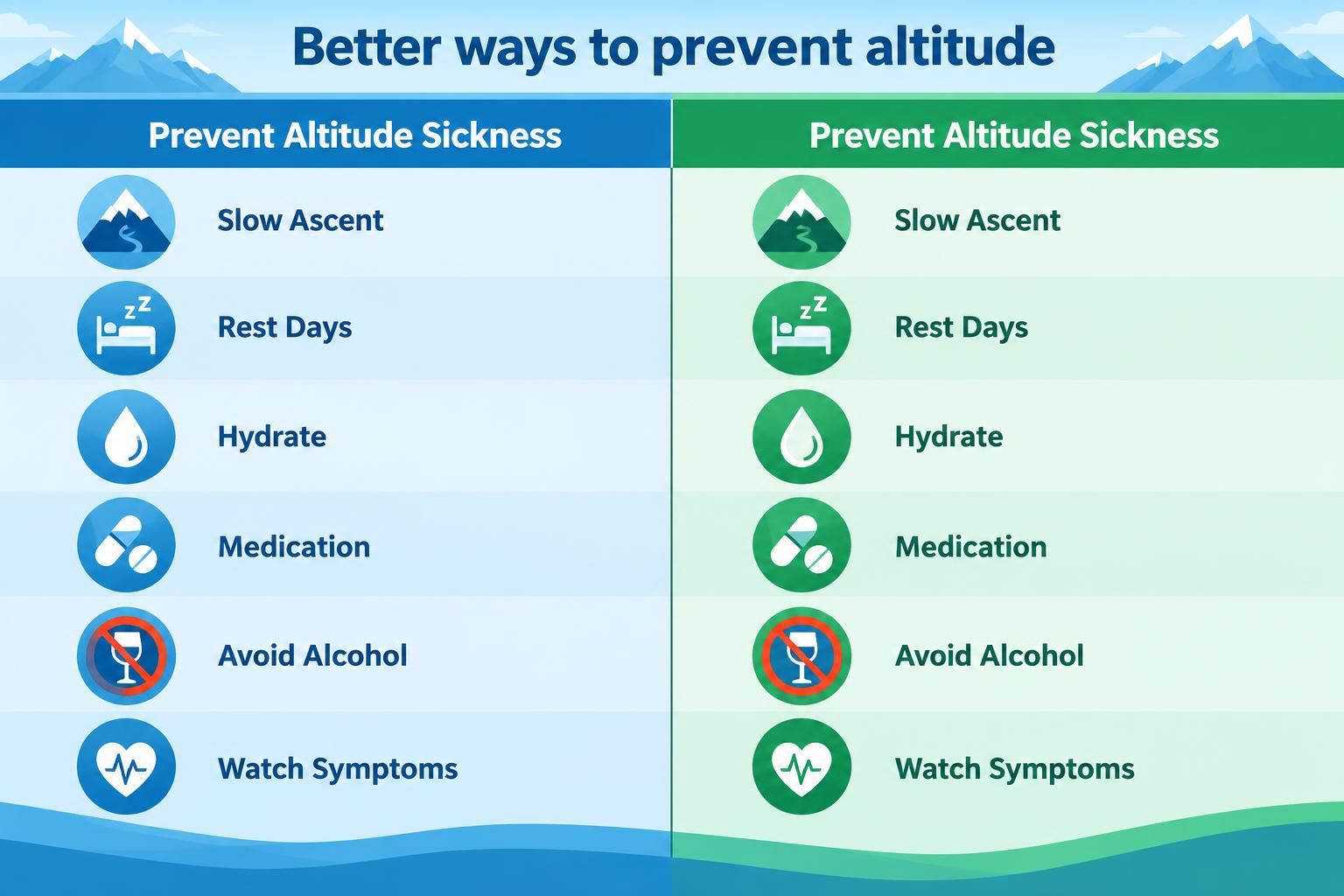
Slower Ascent, Rest Days, Hydration, and Medication Options
Prevention works better than trying to fix symptoms after they start. The most reliable strategy is controlled ascent: gain sleeping altitude gradually, build in rest days, and avoid hard effort on the first day above a new elevation. Once you are above moderate altitude, slower sleeping-altitude gains and a rest day every few days are common starting points.
Acclimatization is the goal. Your body needs time to adjust breathing, fluid balance, and oxygen delivery. If you fly from sea level to a ski town and get a mild headache that night, a rest day usually beats a workout, alcohol, or another climb.
Hydration helps, but do not overdo it. Aim for steady fluids and normal urination; overhydration can cause problems. Eat enough carbohydrates, keep early exertion light, and avoid alcohol or sedatives while adjusting.
For higher-risk trips, ask a clinician about medication before you go. Acetazolamide is commonly used to help prevent acute mountain sickness. Dexamethasone may be used in specific prevention or rescue situations, but it is not a substitute for acclimatization. Nifedipine may be discussed for people with prior high-altitude pulmonary edema risk.
What to Do if Symptoms Get Worse
If your symptoms come back after an oxygen bar, canned oxygen, rest, or fluids, treat that as useful information: the altitude is still a problem. Don’t use brief relief as permission to hike higher, ski another run, or “sleep it off” at the same elevation if you’re getting worse.
For mild acute mountain sickness symptoms, the safer move is to stop ascending, rest, avoid alcohol or sedatives, and reassess. If symptoms don’t improve or they progress, descend. Even a modest drop in elevation can help, but worsening symptoms deserve medical input, especially if you’re far from town or traveling alone.
Red-flag Symptoms That Require Descent or Urgent Care
- Shortness of breath at rest, not just with exertion
- Persistent cough, especially with frothy or pink sputum
- Chest tightness, blue lips, or severe weakness
- Confusion, unusual behavior, extreme drowsiness, or trouble staying awake
- Loss of coordination, stumbling, or inability to walk a straight line
- Severe headache that worsens or doesn’t respond to rest
- Repeated vomiting or inability to keep fluids down
Supplemental oxygen may be used during evacuation or medical care, but it’s a bridge, not the destination. Descent and urgent evaluation matter more than another recreational oxygen session.
Bottom Line: Should You Use an Oxygen Bar for Altitude Sickness?
Use an oxygen bar only as a short comfort measure for mild symptoms, not as your plan for altitude sickness. If you develop a mild headache or slight nausea after arriving at elevation, a 15- to 30-minute session may help briefly, but it does not mean you are acclimatized and it does not treat acute mountain sickness.
Canned oxygen is similar: convenient and sometimes reassuring, but not a substitute for medical oxygen, slower ascent, rest, or descent.
A safer plan is straightforward: ascend gradually, schedule rest days, avoid hard effort when symptoms begin, and ask a clinician before travel about acetazolamide or dexamethasone if you are at higher risk. If symptoms worsen, return after oxygen, or include breathlessness at rest, confusion, poor coordination, or chest symptoms, skip the oxygen bar and descend or seek urgent care for possible high-altitude pulmonary edema or high-altitude cerebral edema.
If symptoms are mild and you are otherwise healthy, an oxygen bar may be a reasonable brief comfort stop, but do not treat it as proof you are safe to keep climbing. If you are unsure at altitude, choose the safer path rather than trying to push through.